
Master Healthy Cooking Methods for Men
Learn science-backed cooking techniques that preserve nutrients, enhance flavor, and support your wellness journey. Discover how simple method changes transform your meals.
Nutrient Retention
Cooking methods that preserve vitamins and minerals your body needs for peak performance.
Flavor Maximization
Techniques that bring out natural taste without excess salt, sugar, or unhealthy fats.
Time Efficient
Quick cooking methods fit into busy schedules without sacrificing nutrition or taste quality.

The information on this site is for educational purposes only and does not constitute medical advice. Always consult a qualified healthcare professional before making health decisions.
Essential Cooking Techniques for Men
Steaming
Cook vegetables, fish, and lean proteins with gentle heat and moisture. Steaming preserves up to 95% of heat-sensitive vitamins while keeping foods tender. Perfect for meal prep and batch cooking.
Best for: Broccoli, salmon, chicken breast, rice, dumplings
Grilling
High-heat cooking that creates flavorful crusts while draining excess fat. Grilling develops complex taste compounds without added oils. Ideal for lean meats, vegetables, and quick weeknight dinners.
Best for: Chicken, beef, fish, peppers, mushrooms, onions
Boiling & Simmering
Gentle, controlled cooking using water or broth for soups, stews, and legumes. Low-temperature simmering prevents nutrient breakdown and creates nutrient-rich broths. Excellent for batch meal preparation.
Best for: Beans, lentils, whole grains, root vegetables, broths
Baking & Roasting
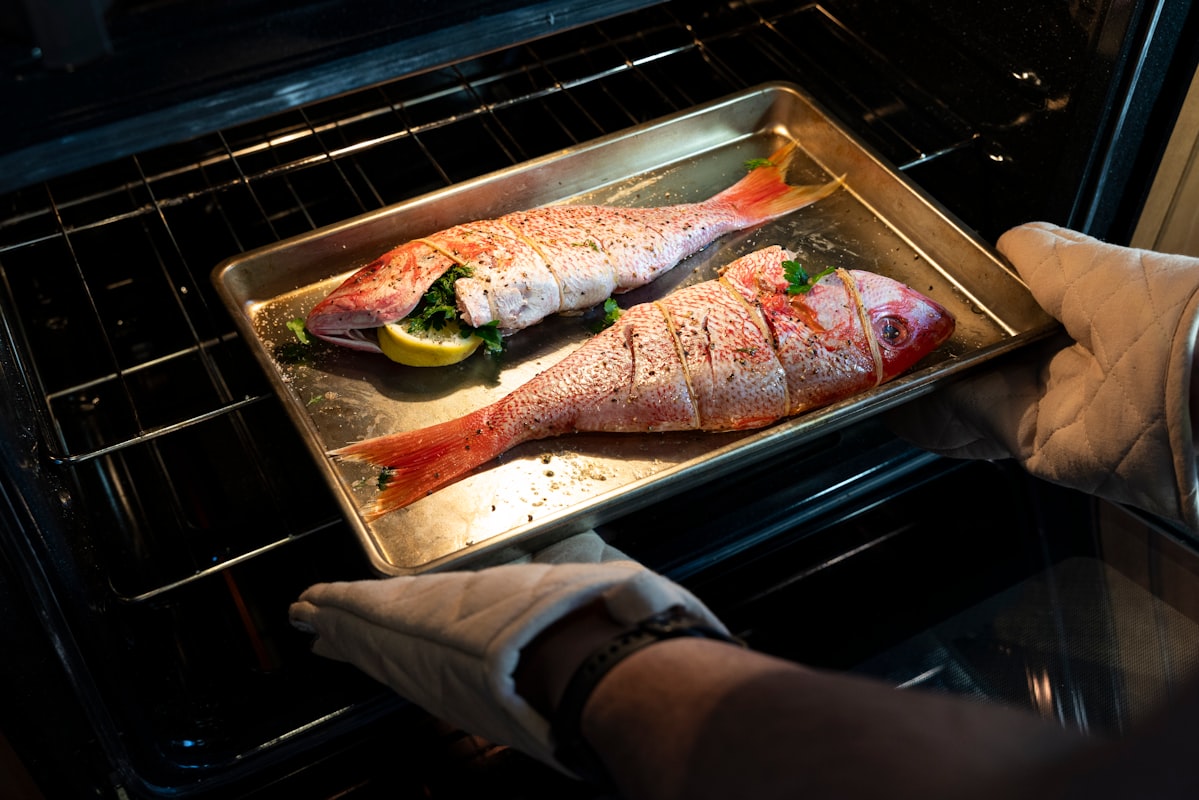
Dry heat cooking that caramelizes surfaces and develops rich flavors. Minimal added fat required. Perfect for batch cooking and meal prep. Requires minimal monitoring once in the oven.
Best for: Chicken thighs, root vegetables, fish fillets, whole grains, nuts
Poaching
Gentle cooking in simmering liquid keeps proteins moist and tender. No added fats needed. Creates flavorful broth as a bonus. Ideal for health-conscious meal preparation.
Best for: Fish, chicken, eggs, pears, delicate vegetables
Stir-Frying
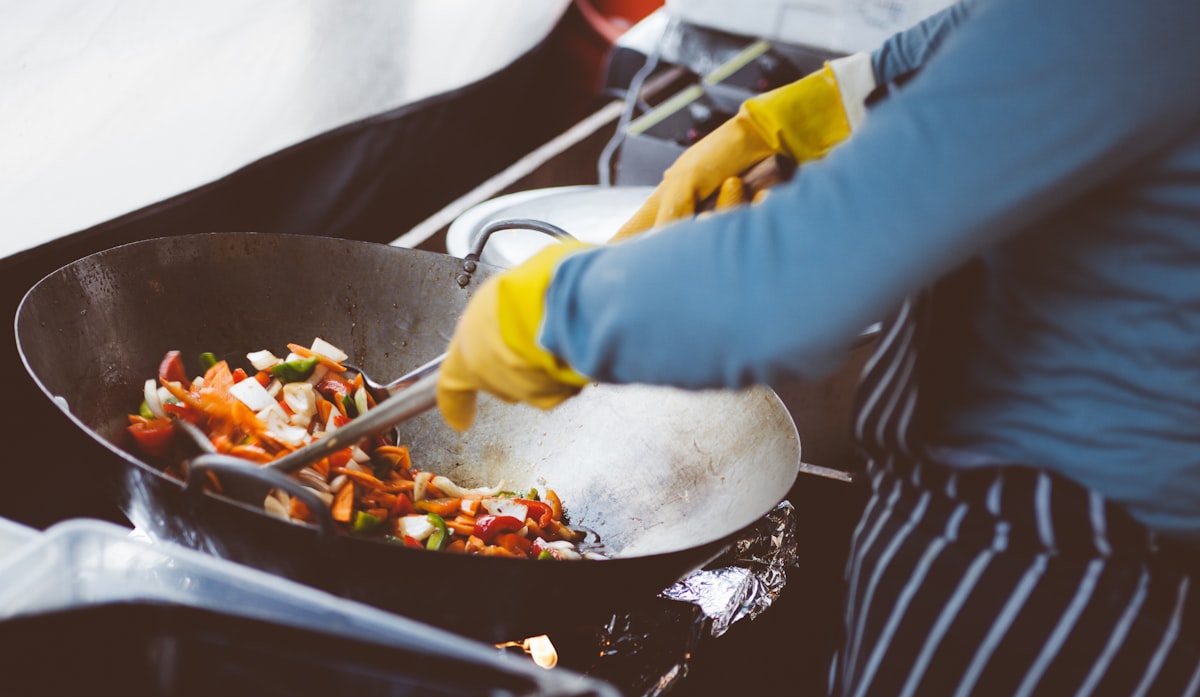
Quick, high-heat cooking in minimal oil that preserves vegetable crunch and color. Rapid cooking time locks in vitamins. Creates satisfying meals in under 15 minutes with minimal cleanup.
Best for: Mixed vegetables, lean meats, tofu, quick grains
Cooking Method Comparison: What Science Says
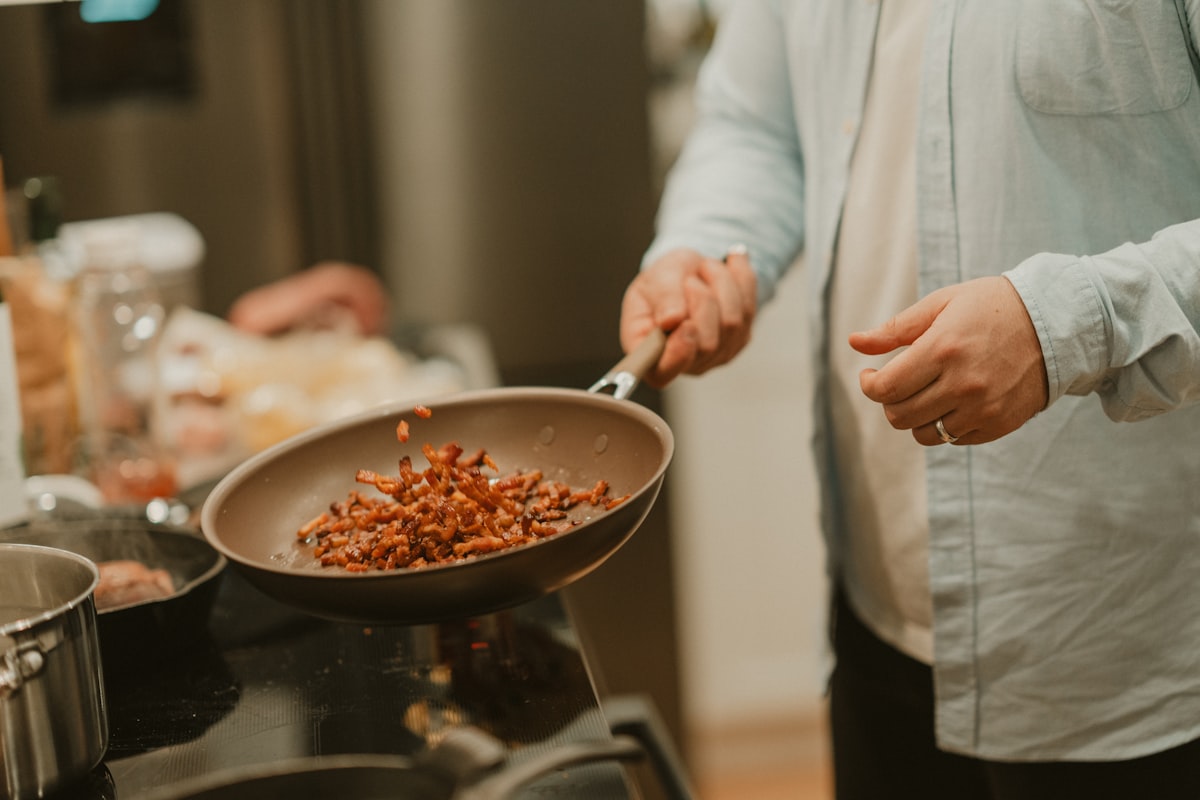
Steam vs Grill: Choosing Your Method
Both steaming and grilling excel at healthy cooking, but serve different purposes. Steaming is your best choice for maximum nutrient preservation—water-soluble vitamins like B and C stay intact when exposed to gentle heat. This method is ideal for sensitive proteins like fish and delicate vegetables.
Grilling creates superior flavor through high-heat browning reactions while allowing excess fat to drain away. The trade-off is some heat-sensitive vitamins do degrade, but the enhanced taste means you'll enjoy healthier foods more consistently. Grilling works best for tougher cuts and vegetables that benefit from caramelization.
Pro tip: Combine both methods in your weekly routine. Steam proteins on busy weeknights, grill on weekends when you have time to enjoy the process and superior flavor development.
Minimizing Heat Damage: The Right Temperature
Cooking temperature dramatically affects nutrition quality. Lower temperatures (below 350°F / 175°C) preserve more vitamins and prevent formation of potentially harmful compounds. However, slightly higher temperatures are sometimes necessary for food safety with certain proteins.
The key is matching temperature to food type. Delicate fish needs gentle poaching at 160-180°F. Chicken requires 165°F for safety but benefits from faster cooking at slightly higher heat. Vegetables thrive at 350-400°F where they develop flavor without excessive nutrient loss.
Action step: Invest in a simple meat thermometer. Cook to exact safe temperatures rather than relying on time estimates, reducing both undercooking risks and accidental overheating.
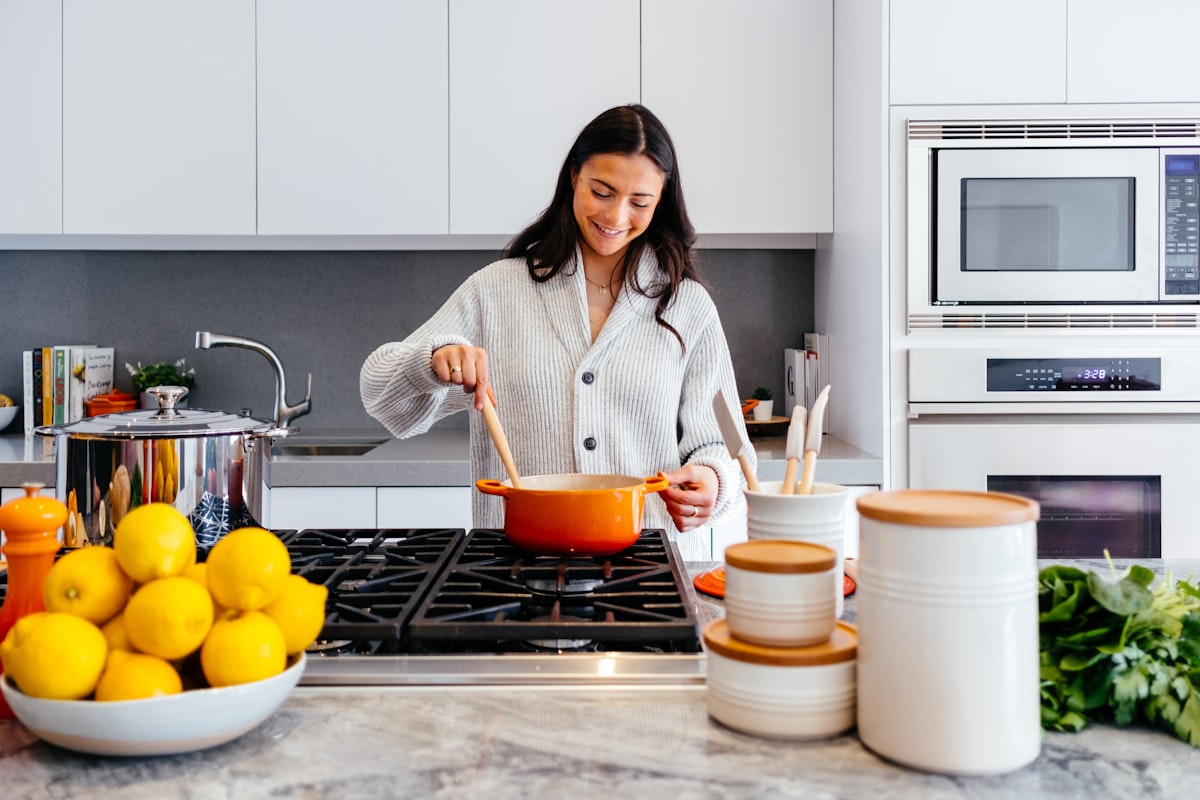
5-Step Healthy Cooking Method Guide
Plan Your Ingredients
Choose whole foods minimally processed. Select proteins, vegetables, and grains before cooking. Quality ingredients matter more than cooking method—fresh produce retains more nutrients regardless of technique.
Prep With Purpose
Keep skins on vegetables when possible—they contain fiber and nutrients. Cut into uniform sizes for even cooking. Minimize soaking time as water-soluble vitamins leach out. Prep just before cooking when feasible.
Choose Your Method
Match cooking technique to ingredient type. Steam delicate proteins, grill robust vegetables, boil legumes, roast root vegetables. Use lower temperatures when possible. Avoid charring by monitoring closely.
Season Thoughtfully
Use herbs, spices, and citrus instead of salt. Season after cooking to use less while maintaining flavor. Fresh herbs add nutrients and antioxidants. Lemon juice and vinegar boost flavor without sodium.
Cool & Store Smart
Let cooked food cool slightly before refrigerating to prevent condensation that degrades texture. Store in airtight containers to prevent oxidation and maintain freshness. Most cooked proteins keep 3-4 days, vegetables 5 days. Reheat gently without overcooking.
Nutritional Impact: Method Matters
Vitamin Retention
Different cooking methods preserve nutrients at varying rates. Steaming retains approximately 90% of B vitamins and 95% of vitamin C in vegetables. Boiling leaches more water-soluble vitamins but creates nutrient-rich broth you can consume. Grilling and roasting cause moderate vitamin loss but develop protective antioxidants through browning reactions.
Key insight: Combine cooking methods throughout the week to maximize overall nutrient intake from variety.
Mineral Bioavailability
Cooking actually improves mineral absorption for many foods. Heat breaks down cell walls, making iron, zinc, and calcium more accessible to your digestive system. However, excessive heat can degrade some minerals. Moderate cooking temperatures optimize both nutrient availability and preservation.
Key insight: Cooked vegetables often provide more usable minerals than raw, making cooking a nutrient advantage.
Protein Structure
Protein requires heat to denature, making it digestible and absorbing amino acids effectively. All cooking methods adequately denature protein. The choice comes down to moisture retention—steaming keeps proteins tender and retains natural juices, while grilling creates satisfying texture but requires careful monitoring to prevent drying.
Key insight: The 'best' cooking method for protein depends on your preference and available time.
Common Questions About Healthy Cooking Methods
Is Raw Food Healthier Than Cooked?
Not necessarily. Both raw and cooked foods offer health benefits. Raw foods retain all heat-sensitive vitamins but contain compounds that inhibit nutrient absorption. Cooked foods break down cell walls, improving mineral bioavailability and making proteins more digestible. The healthiest approach combines both—eat some vegetables raw in salads and some cooked. For proteins like chicken and eggs, cooking is essential for food safety.
How Long Should You Cook Different Foods?
Cooking time depends on food type and thickness, not just the method. Fish fillets steam in 8-10 minutes; salmon steaks need 12-15 minutes. Chicken breast reaches safe temperature in 15-20 minutes at moderate heat. Vegetables cook in 5-8 minutes when steamed, 3-5 minutes when stir-fried. Use a meat thermometer for proteins (165°F for poultry, 145°F for fish) rather than relying on time estimates, which vary based on thickness and initial temperature.
Does Oil Matter in Healthy Cooking?
Oil choice significantly impacts health outcomes. High-heat cooking methods like grilling and stir-frying require oils with high smoke points—avocado oil, refined coconut oil, or grapeseed oil stay stable at 400°F+. Low-heat methods like steaming and poaching use no oil. Even when oil is needed, amounts matter—1-2 teaspoons per serving is adequate. Avoid repeatedly reheating oil or cooking with butter at high temperatures, as oxidation creates compounds you want to minimize.
What About Charring and Browning?
Light browning through the Maillard reaction creates beneficial flavor compounds and antioxidants. However, heavy charring (black, burnt areas) should be avoided as it produces compounds of concern at high levels. The rule of thumb: aim for golden-brown color, not black. If using high-heat grilling, don't let food sit over direct flame unattended. Grill vegetables until tender with light char marks, not burnt throughout.
Is Microwaving Unhealthy?
Microwave cooking is perfectly safe and actually preserves nutrients well due to short cooking times. The heating mechanism—electromagnetic radiation that causes water molecules to vibrate—doesn't make food radioactive or dangerous. Compared to stovetop methods, microwaving often retains more vitamins because it requires less added water and shorter heating times. The main drawback is uneven heating and less flavorful browning, not nutritional concerns.
How Can You Cook Healthy on a Busy Schedule?
Choose quick cooking methods: stir-frying (8-10 minutes), steaming (10-15 minutes), and grilling (10-20 minutes depending on thickness). Prep ingredients on Sunday for the week—cut vegetables, marinate proteins, cook grains in bulk. Use batch cooking: roast multiple sheet pans of vegetables and proteins simultaneously. Keep frozen vegetables on hand—they're picked at peak ripeness and frozen immediately, retaining nutrients as well as fresh produce. Simple seasoning with herbs and lemon makes quick meals taste intentional and delicious.
Before & After: Real Meal Transformations
Before: Convenience-Based
Fried chicken breast, microwaved frozen vegetables, instant rice
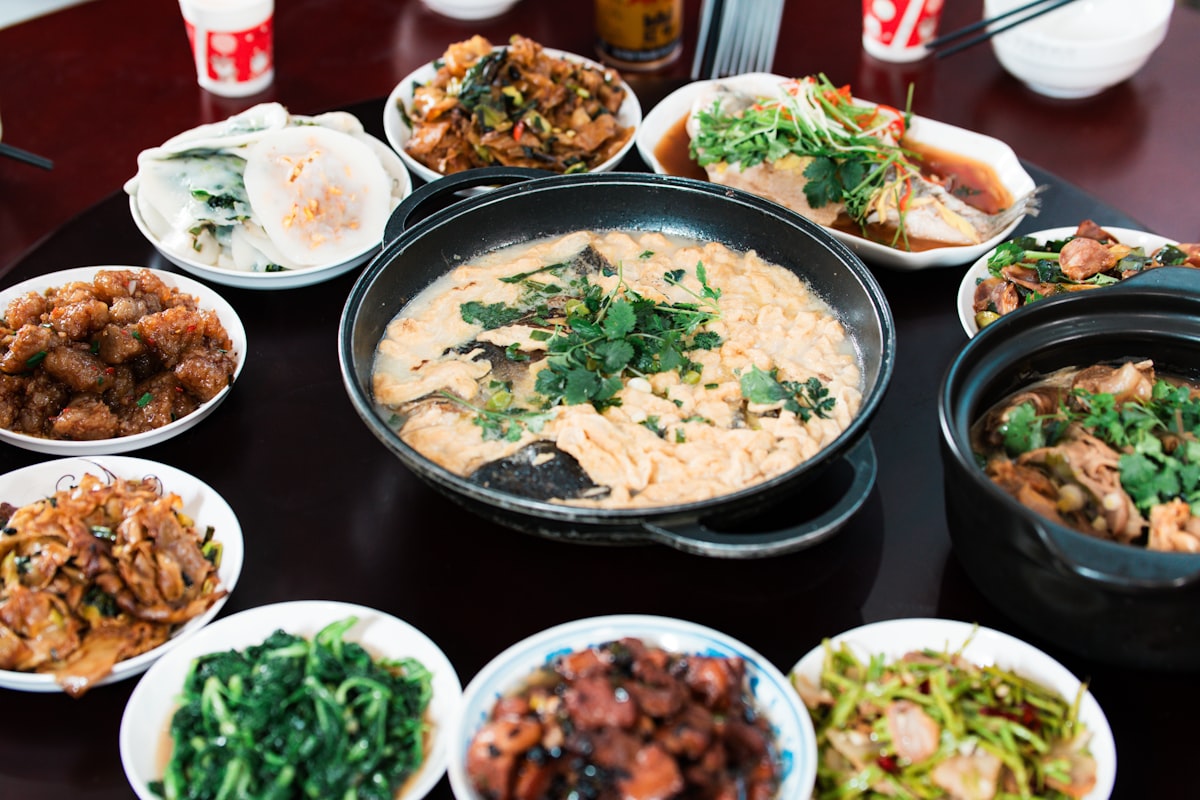
Issues: Excessive oil absorption, lost vitamins from long cooking, bland taste drives additional seasoning, energy crashes 2 hours later
• Vitamin C retention: ~40%
• Added sodium: 800mg
• Preparation time: 25 minutes
After: Healthy-Method Based
Grilled chicken breast, steamed broccoli, roasted sweet potato
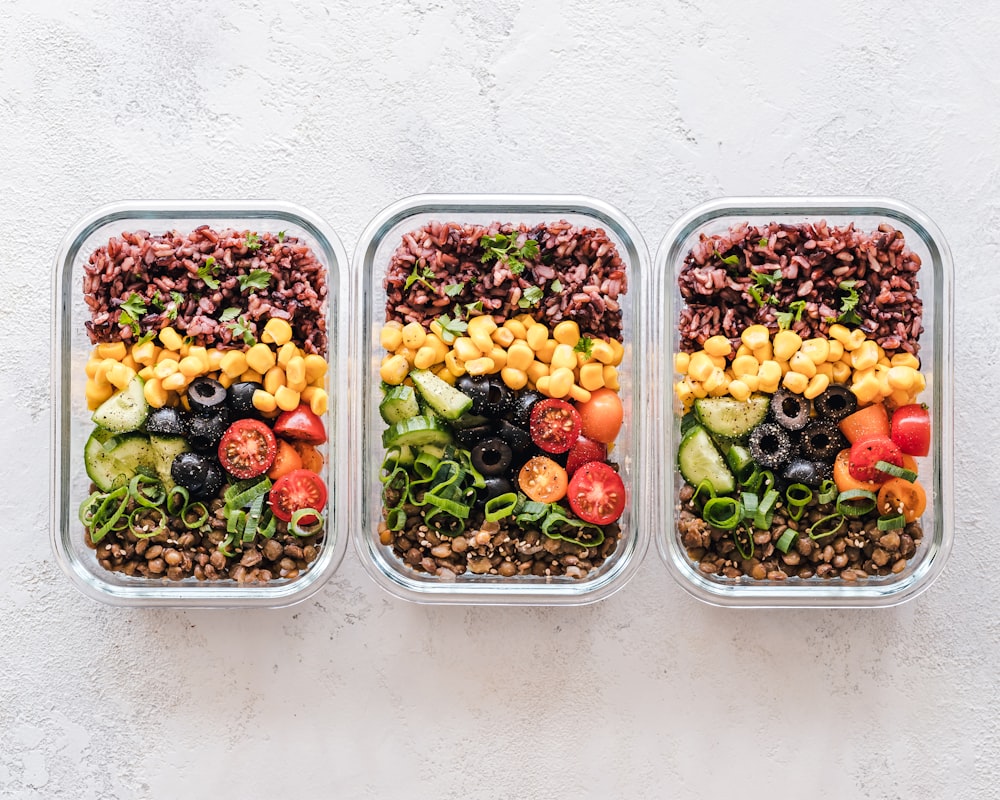
Benefits: Minimal oil, retained nutrients, complex flavors from proper seasoning, sustained energy throughout afternoon
• Vitamin C retention: ~85%
• Added sodium: 300mg
• Preparation time: 20 minutes
Before: Skipped Vegetables
Pasta with cream sauce, garlic bread, protein-only plate
Issues: Missing fiber and micronutrients, high calorie density without satiety, digestive challenges, limited antioxidant intake
• Fiber content: 3g
• Calories: 650
• Vegetable servings: 0
After: Vegetable-Focused
Whole grain pasta, grilled vegetables with herbs, lean protein
Benefits: Complete fiber intake, sustained fullness, digestive support, protective antioxidants in every bite
• Fiber content: 12g
• Calories: 580
• Vegetable servings: 3+
Success Stories from Our Community
"
Switching to steaming my chicken and roasting vegetables instead of pan-frying changed everything. I have more energy throughout my days, my clothes fit better , and I feel genuinely healthier. The meal prep guide was a game-changer for my busy schedule."
Marcus T.
Transformed in 12 weeks
"
I never thought I could enjoy healthy eating. Mensnutriflow showed me that nutrition doesn't have to be boring. The recipes are incredible and I've lost significant weight without feeling deprived."
James L.
Lost significant weight in 4 months
"
As a busy father of two, I needed something simple and effective. The portion-controlled meal plans fit perfectly into my lifestyle. My kids even ask for seconds of the healthy meals now!"
David R.
Healthier family habits
Ready to Transform Your Nutrition?
Join thousands of men who've taken control of their health with Mensnutriflow. Start your journey today with a personalized nutrition plan.
Frequently Asked Questions
Mensnutriflow is designed for any man looking to improve his nutrition and health. Whether you're a beginner or experienced with meal planning, our adaptive system meets you where you are. We recommend starting with our free assessment to get personalized recommendations.
Absolutely! Our platform supports various dietary preferences including keto, vegan, gluten-free, and more. You can specify allergies, dislikes, and preferences during setup, and all meal recommendations will be tailored accordingly.
We offer 24/7 email support, access to our community forum, weekly educational content, and monthly group coaching calls. Premium members get one-on-one nutrition coaching and priority support.
Most users report increased energy within 1-2 weeks. Visible body changes typically appear within 4-6 weeks with consistent adherence to the program. Everyone's timeline is different, but our community sees average results within 12 weeks.
Yes! We offer a 60-day money-back guarantee. If you're not satisfied with Mensnutriflow for any reason, we'll refund your entire investment. We're confident you'll love the program.